








Ask the person responsible for a LEV system what keeps them up at night, and one scenario quickly comes to mind: standing there, certain everything is running as it should, only to watch the equipment fall apart under scrutiny moments later. The embarrassment is real. The more uncomfortable question, however, is this: how did something that looked perfectly fine turn out to be so far from it?
That question sits at the heart of a common problem. On the surface, a LEV system gives all the right signals. The hood is positioned correctly, the motor hums away, and the ducting appears clean and intact. Everything suggests control.
Yet, when the statutory inspection begins, those assumptions are put to the test and frequently fail to hold. The issue is a slow drift between what the equipment appears to do and what it actually delivers. Recognising that gap is what separates a system that simply runs from one that genuinely protects, keeps you compliant, and avoids unwelcome surprises when it matters most.
Here are seven reasons LEV systems fail a test, and what each one reveals about the disparity between appearance and reality.
1. Inadequate face velocity at the hood
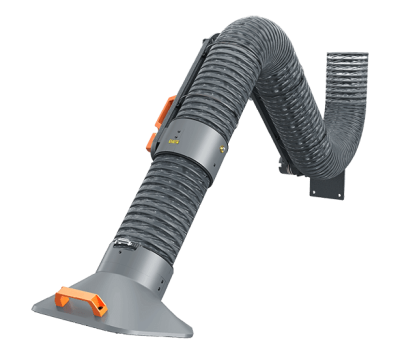
The capture hood is where the system proves its value. If the airflow velocity at the opening sits below the threshold required to pull contaminants away from the breathing zone, the LEV is effectively decorative. Wear, poor original design, and duct leakage all contribute to this drop in performance over time.
2. Ductwork that has deteriorated or been modified
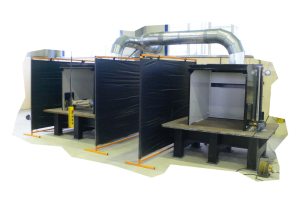
Ducts are rarely glamorous, which is perhaps why they attract so little attention between formal examinations. Corrosion, accidental damage, and unauthorised alterations all reduce airflow efficiency. A single poorly sealed joint or an improvised branch added by a well-meaning engineer can undermine the pressure balance of the entire network.
3. A filter that has exceeded its service life
A saturated filter is one of the quietest failures in any LEV installation, and one of the costliest. Dust and contaminants accumulate gradually, placing growing resistance on the fan and steadily reducing the volume of air reaching the hood. The system continues to run, offering every appearance of normal operation, while its protective capacity diminishes week by week. Workplaces that lack a scheduled replacement programme often discover this problem only when the examiner records a fail, by which point employees will have spent weeks or months breathing air the installation was supposed to clean.
4. Fan performance below design specification
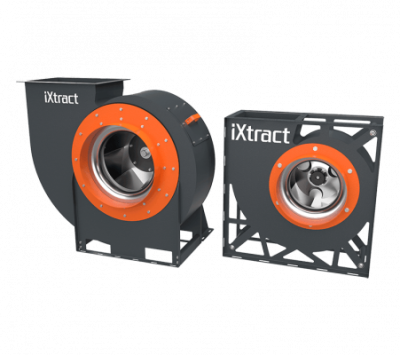
Fans degrade, impeller blades accumulate deposits, and belt drives lose tension. Each of these factors erodes the volume of air the unit can shift per minute. Because the decline is gradual, it frequently escapes notice until formal testing reveals that the equipment is delivering a fraction of the airflow specified in the original commissioning report.
5. The system was never correctly designed for the process
Some LEV installations arrive on site already destined to struggle. A capture hood positioned too far from the emission source, a duct diameter selected without proper calculation, or a fan chosen on cost rather than duty are design flaws that no amount of maintenance can fully remedy. Inspectors assess whether the system is fit for its intended purpose, and a fundamentally unsuitable installation will fall short regardless of how diligently it has been kept.
6. Inadequate operator training and misuse
Even a well-engineered system depends on the people using it. Workers who reposition the hood for convenience, prop open enclosures, or disable components without reporting faults can reduce effectiveness dramatically. Competent use is a regulatory expectation, and evidence of poor practice during an examination can contribute to an adverse outcome for the employer.
7. No formal maintenance programme between examinations
The COSHH Regulations require thorough examination and testing at intervals of fourteen months or fewer, but they also expect routine upkeep in the periods between. Organisations that treat the statutory inspection as the only point of attention leave themselves vulnerable. Small faults accumulate, performance drifts, and the examiner’s report becomes a catalogue of deficiencies that a basic maintenance schedule would have caught early.
Getting it right from here
A failed LEV test usually is the product of small gaps, missed checks, and assumptions that went unexamined for too long. The good news is that every reason on this list is preventable, provided the right expertise is in place before the examiner arrives.
Auto Extract specialises in LEV testing, working with clients across the country to keep systems performing as they should and businesses firmly on the right side of their COSHH obligations.
Our engineers bring hands-on experience across all types of LEV installations, from simple bench hoods to complex industrial extraction networks. Each examination is thorough, all findings are documented, and clients receive access to an online portal where records are stored.
The service is built around flexibility. Tailored service level agreements mean that support is structured around your operation rather than a one-size-fits-all schedule, and a dedicated team ensures that responsive, straightforward customer care is available throughout.
Getting started takes minutes. Complete the online form to arrange your LEV test at a convenient time.

