Full Description
What Airborne Dangers Do I Need to Worry About?
As a workshop, there are several dangers to be aware of, and none perhaps more dangerous than the invisible threat of airborne hazards. Contaminants like exhaust fumes and wood dust may be difficult to see with the naked eye, but they are common particulates generated in this industry and can cause serious health problems if they enter a person's system.
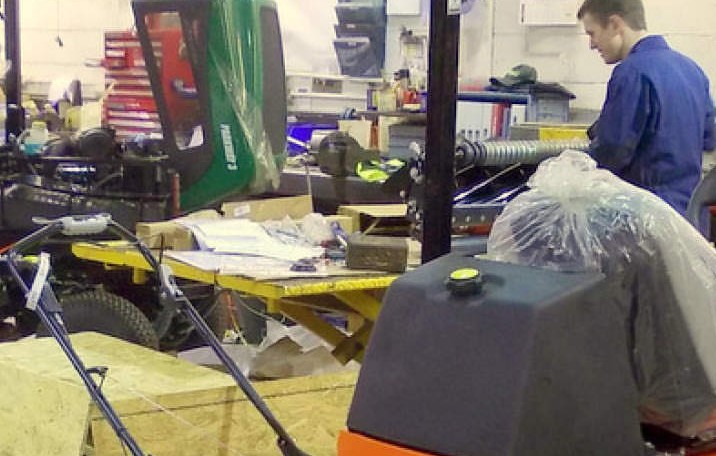
Workshops are typically places where businesses manufacture goods or carry out repairs, producing hazardous particles. Whether you work in fabrication, education, motorsport, or another similar sector, these environments can be challenging to manage when it comes to dust and fume risks. An LEV solution, such as a workshop dust extraction system, is recommended to capture and remove harmful airborne particulates before they contaminate workers.
Dangerous substances formed in a workshop include:
- Exhaust fumes (particularly diesel fumes) - Emitted by vehicles when the engine is left running. In confined spaces, such as an automotive workshop, exhaust fumes can be dangerous to anyone in the vicinity who inhales them.
- Solvent vapour - Solvents may evaporate, causing vapour to form in the air. Solvent vapours can cause health complications when inhaled, including long-term diseases like lung and kidney damage.
- Dust particles - Your workshop may carry out processes forming various dust particles, including wood and silica dust. Inhaling large amounts of dust is a significant hazard and one of the most common dangers for this sector.
- Epoxy sprays - Spraying epoxy, such as for a coating, will leave a mist in the air. Spray mist causes many of the health problems mentioned above, plus eye, nose, and throat irritation when it comes into contact with the skin.
- Welding fumes - Workshops that involve metal fabrication and welding should be particularly mindful of the dangers posed by welding fumes. Exposure to these toxic fumes can lead to lung damage and different types of cancer.
Businesses can often overlook these toxic materials and the risks they cause. It is not enough to work in a spacious environment or leave doors and windows open to improve ventilation. Exposure to hazardous particles can have profound health implications, so you must implement effective dust collection systems for your workshop.
We Have The Solution
At Auto Extract Systems, we are accustomed to helping all kinds of businesses to provide pollution-free workplaces. We are experienced in providing workshop dust extraction solutions across different environments. Get in touch today to see how we can secure your environment against toxic substances.
CONTACT US
What Is a Workshop Dust Extractor?
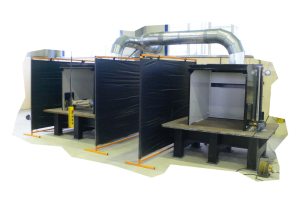
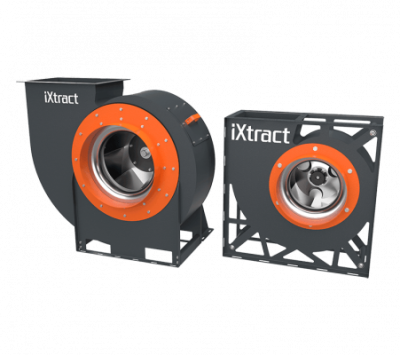
In industrial environments, countless health and safety hazards can arise. When work involves using specialist equipment to manufacture products or carry out repairs, toxic particulates such as dust and exhaust fumes can be emitted into the working environment. A workshop dust extractor is a system that helps create a cleaner, safer environment. Extraction systems work by capturing dangerous substances at the source, removing them before they reach people, and thus enhancing air quality. There are several types of workshop dust extraction systems available, from portable extractors to larger, fixed systems. Speak to a member of our team to find out which extractor is best for you.
What the HSE Recommends for Workshops
The Health and Safety Executive is responsible for ensuring the safety and welfare of employees and helping to prevent work-related accidents and injuries. At Auto Extract, we specialise in extracting hazardous materials. Working with fumes, dust, wood, and other processes can be a significant health risk. The HSG129 guidance booklet, released by the HSE, provides health and safety advice tailored to engineering workshops. The guide offers information on key safety measures for specific processes, such as welding, including the use of extraction equipment, screens, eye protection, and protective clothing.
Local exhaust ventilation systems are critical products for controlling exposure levels; however, they must be used correctly and safely. HSG129 states that systems must be thoroughly examined "every 14 months for most processes" or "every six months where metal articles are abraded or polished for more than 12 hours a week." The document also provides information on how to make the most of LEV systems, including installing a tailored solution, keeping the hood close to the source of contamination, and ensuring the fan draws air away from the operator.
The HSE also has an EH40/2005 guide for workplace exposure limits. A workplace exposure limit (aka WEL) is the legal limit of exposure to toxic particles. This framework provides guidance on the maximum exposure someone can endure within a specified timeframe before it becomes too dangerous. Exposure levels should be regularly monitored to ensure that employees are working below the workplace exposure limits.
CONTACT US
The Health Risks Associated with Workshops
The health risks employees may face in a workshop environment may vary depending on the specific work the business performs. Hazardous particulates that you may face can include welding fumes, dust, diesel fumes, wood dust, wood chippings, and silica dust, to name just a few possibilities. Exposure to harmful materials can occur through inhalation, skin contact, injection, or ingestion. The health effects of being exposed to high levels of dangerous materials can range from short-term effects to long-term complications. Potential health problems can include skin irritation, respiratory issues, eye damage, and skin sensation. Most significantly, exposure can lead to cancer, such as lung cancer and kidney cancer. Workshop dust collection can mitigate many of the health risks associated with dust exposure.
Why It's Important to Reduce Exposure
As mentioned above, there is a wide range of health risks associated with exposure to workplace contaminants. These conditions, such as cancer, can severely impact a person's life as well as the lives of family members. Reducing exposure is, first and foremost, essential for preventing employees from contracting a serious illness. There is clear evidence linking specific substances to health effects, which is why companies should take reasonable measures to protect their workers' welfare. Workshop extraction systems are vital to creating a pollution-free environment that is clean, safe and healthy. Extractors will filter out airborne particles and prevent people from inhaling toxic materials that can cause cancer, such as welding and diesel fumes. A workshop extractor quickly eliminates very fine particles, a feature that is highly advantageous for fast-paced environments and businesses that deal with the smallest debris. A dust extractor will also help protect machinery, allowing it to last longer.
Have You Heard of the HSE’s Awareness Campaigns?
Every year, the Health and Safety Executive (HSE) runs a series of campaigns targeting select industries and workplace practices. The campaigns are designed to raise awareness of issues relevant to that particular sector, helping to promote adequate safety measures and appropriate best practices. During these campaigns, HSE inspectors are known to randomly visit businesses that fall within the campaign's subject matter. The inspectors will speak to managers and employees to identify the measures in place to comply with HSE guidance and laws. Ultimately, HSE campaigns aim to raise awareness of the unique risks to all personnel working in the sector and to provide advice on measures to protect workers.
The Potential HSE Sanctions for Workshops
The Health and Safety Executive regulates workplace safety and ensures that employers take steps to maintain the health, safety and well-being of their employees and visitors. The HSE can take enforcement action if a business fails to comply with the law, address serious risks, or uphold its responsibilities. The regulator can take several actions to enforce workplace health and safety, including providing advice, issuing cautions, serving notices, or pursuing prosecution proceedings. For workshops, there are several risks to mitigate, including air pollution of welding fumes, dust and diesel fumes. If you fail to follow regulations and avoid implementing solutions to reduce risk, workers may suffer severe health complications. The sanctions for failing to maintain employee health and safety can vary. Punishments often include heavy fines, community orders, disqualification orders, remedial action, and, in the most serious cases, imprisonment.
CONTACT US
What is the Cost of a Workshop Extraction System?
Now that you know the importance of workshop extraction systems, it's time to start looking at how a solution can help your business. As there are several variables, we cannot offer an exact amount you can expect to pay. The cost can vary depending on the extraction products you choose, your operational processes, the size of your workplace, your industry, and the overall size of your extraction system, to name just a few. You must receive a workshop extraction solution tailored to your requirements. Therefore, we recommend that you contact our specialists for advice. After hearing about your individual scenario, we can offer a no-obligation quote.
Get in touch today to learn more about the best bespoke extraction solution for your business.
What Sizes of Workshops Can We Help With?
We have experience working with both big and small workshops. We can assist you whether you have a large facility, such as an automotive garage, or a small one, such as a school. Auto Extract Systems will provide an appropriate, cost-effective solution tailored to your needs and size, from portable extraction products to large, fixed-in-place systems.
We will advise you on how to make the most effective use of our products, reducing investments and optimising results. We also understand that the size of your workshop significantly impacts your team's safety. Contaminants can reach higher concentrations in small environments, but larger workplaces also present risks. That is why we will thoroughly analyse your specifications and requirements to ensure you protect your employees and customers from hazardous airborne materials.
Contact our team to learn more about how our specialists can advise on a workshop dust extraction solution for specific circumstances.
Examples of Punishments for Workshops
As we've made clear, there are significant consequences to businesses that put their employees in harm's way. The HSE pursues serious action against businesses that fail to implement or maintain workshop extraction systems.
One example involves a Hertfordshire furniture manufacturer that exposed its workers to the risk of hardwood dust. The HSE attended the workplace several times and found that the business failed to follow up on the advice provided to raise health and safety standards. After one visit, inspectors noticed that an extraction system was inefficient and increased airborne dust levels. The furniture company pleaded guilty to breaching the Control of Substances Hazardous to Health Regulations (COSHH) 2002 Act. Following proceedings at Luton Magistrates' Court, the company was fined £8,000 and ordered to pay legal costs of £1,081.40.
Another example involves a Durham-based manufacturing company that exposed its employees to wood dust and failed to comply with enforcement action from the HSE. Inspectors visited the business after concerns were raised and served improvement notices requiring the company to arrange a thorough examination of the local exhaust ventilation system fitted to a chop saw. The business was also required to improve its control of wood dust exposure from the use of a circular table saw. When HSE inspectors returned several months later, they found that the circular saw was still being used and the company had not provided evidence that the LEV system had been properly examined or was adequately controlling exposure. The HSE investigation found that the business had failed to comply with the improvement notices and had shown disregard for health and safety. The company was found guilty of breaching health and safety legislation, fined £15,000 and ordered to pay £4,500 in costs.
What Our Customers Say About Us
We've helped hundreds of workshops across diverse sectors install and maintain effective solutions for removing harmful contaminants from the air. But don't just take our word for it! Here's what some of our customers say about the work they've received from Auto Extract Systems.
"Our Fleet workshop based in Hull, Yorkshire have used Auto Extract Systems for all our LEV testing, certification and repairs over the last 4 years.
"We have been extremely pleased with the full service from contact to inspection from all members of there staff.
"All the staff are helpful, professional and committed to giving the best value and service as well as the aftercare which is second to none with a fantastic portal service which is very useful to the client.
"I would have no hesitation recommending Auto Extract Systems to any potential company requiring there services." - Tony Kirk
The Right Workshop Extraction Solution for Your Needs
Auto Extract Systems can help specify and design a suitable workshop extractor for your business's requirements. Over the last 25 years, we've helped thousands of companies create dust and fume-free workplaces. As experts in all things LEV, we can help your business become compliant with the HSE COSHH (Control of Substances Hazardous to Health) Regulations 2002 through a tailored LEV solution. We provide comprehensive design, installation, certification and maintenance services across various sectors.
We only use the highest quality products, and installations come with a 12-month installation warranty. Find out more about our LEV Installations service.
Head to our News section to learn more about workshop extraction and how we can help you find the correct local exhaust ventilation (LEV) system for you and your business. Request a FREE LEV site assessment today by clicking the button below, calling us on 01942 267444 or emailing info@autoxtract.co.uk.
Request your FREE, no-obligation LEV site assessment today!
REQUEST YOUR FREE ASSESSMENT
See How We Have Helped Workshops Like Yours

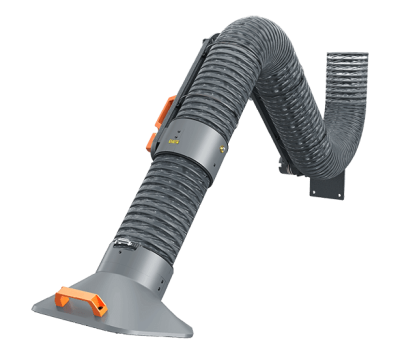
We have a long history of supporting multiple industries with effective LEV solutions, particularly those with workshop environments. The sectors we have experience in include everything from metalworking and welding to automotive, woodworking and manufacturing, to name just a few. We've worked with workshops, fire stations, ports, schools, garages, and more. Our solutions have included small installations, such as direct connections and extraction arms, as well as comprehensive designs comprising multiple products.
To learn more about the latest workshop dust extraction installations we've been working on, check out our Case Studies section.
We Have Workshop Extraction Solutions For...
- Metal Fabricators
- Universities
- Bodyshops
- Woodworkers
- Joineries
- Colleges
- Farmers
- Welders
- Manufacturing Plants
- And many more...
GET IN TOUCH