Comprehensive and Effective Solutions for Dust Extraction...
Market-Leading Dust Extraction Systems
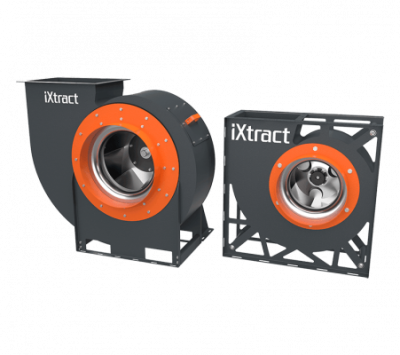
An industrial dust extraction system filters the air to capture and remove airborne particles safely, leaving it clean and breathable. A dust extraction unit operates on the basic principle of capture, convey, and collect. We offer several high-quality products to remove some of the most common workplace particulates, including wood dust, silica dust, and general dust.
Finding the right dust extraction system can be challenging. Many different products are available to consider. Don't worry about finding the right solution or whether it will do the job. Our experts will take the stress off your shoulders. Contact us today if you're unsure what industrial dust extractor you need. We will consider your requirements and recommend a cost-effective solution tailored to your business.
Auto Extract Systems offers dust extraction systems for a wide range of industries. We also provide dedicated workshop dust extraction systems for businesses that need dust control across fabrication, maintenance, woodworking and other workshop processes.
We're experts at capturing workplace dust and safely processing it, helping your business provide a pollution-free workplace. Our solutions include portable units, small bag filters, and complex cyclone dust filtration systems.
Depending on your business's requirements, we'll help specify the right industrial extraction solution. Whether you need a small bag filter or a complex filtration system, we provide effective extraction and dust filtration solutions. We can protect workers from all materials, including wood, paper, plastic, composite, and metal.
Our systems use the latest technology to keep your work environment dust-free. We use the latest extraction technologies to boost production and profitability while improving energy efficiency.
Why Do I Need an Industrial Dust Extraction System?
As an employer, you must always ensure the health and safety of your workers and site visitors. Certain workplaces, such as manufacturing and industrial environments, face a higher risk of dust contaminating the air. As we mention below, contact with dust can create a range of health risks. That's why your business needs an adequate dust extraction unit if your workplace is at risk of dust.
Dust extraction systems improve your health and safety procedures by ensuring clean air circulation and reducing fire risks. They also improve product quality and operational productivity while helping you comply with regulations. Investing in a solution protects your employees from health hazards and helps you avoid enforcement action from the Health & Safety Executive.
Inhalable dust is airborne material that can enter the nose and mouth when you breathe. Some dust consists of larger, heavier particles that can get trapped in the nose, mouth, throat, or upper respiratory tract. Respirable dust is airborne material that can penetrate the lung's gas-exchange region (the alveoli). These particles can build up in the lung airspaces and cause lung damage.
Remember, dust can be a problem in almost any industry.
Dust-related health effects can occur in almost any workplace. Depending on the types of dust you're trying to control, it can be difficult to know which HSE guidance to follow. However, we can help prevent exposure to hazardous substances with a bespoke dust extraction system.
The hazards of dust like silica and wood are well recognised, and HSE produces specific guidance for these dusts, but many more substances generate dust as part of the working process.
EH44 Dust in the Workplace Guidance Mock Up
We can help your business control exposure to dust at work to avoid ill health with industrial dust extraction systems. The HSE's EH44: Dust in the Workplace - General Principles of Protection guidance states that "exposure to any dust in excessive amounts can create respiratory problems" and can cause "harmful effects from skin irritation to lung cancer depending on the dust type and length of exposure."
Other health implications can include skin irritation, eye damage, gastrointestinal irritation (if they enter the digestive tract), and effects on organs and tissues if they enter the bloodstream (via the alveoli).
How Much Do Dust Extraction Systems Cost?
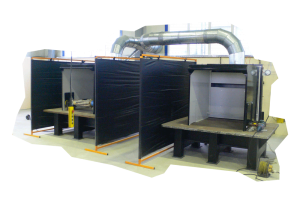
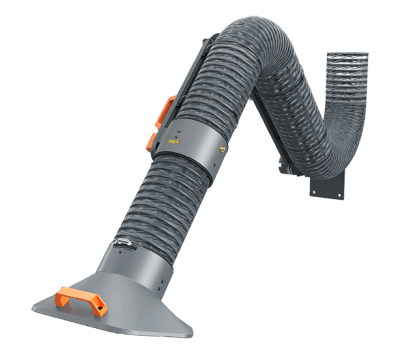
Several types of industrial dust extraction systems are available. The price depends on the type you choose, what you need it for, and your industry. If you need mobile extraction, you can choose a portable dust filtration unit. Extraction arms are the optimal fixed solution for capturing dust before it can be inhaled. Wet collectors offer an efficient way to remove hazardous fumes and dust. To protect the surrounding work areas, you can install a bespoke dust extraction booth.
Contact us today to learn how we can provide a bespoke, cost-effective solution for your dust extraction needs. If you work with harmful fumes, we can also recommend a suitable fume extraction system.
Most industries encounter potentially hazardous dust, especially general dust. However, some sectors involve a specific type of dust, depending on the processes the business uses. Below, we will review common examples of industrial dust that can create a harmful workplace environment.
Wood Dust
Wood dust is produced when wood materials are processed through machining operations such as sawing, routing, turning, and sanding.
The biggest risk from wood dust is the fine dust it produces. This dust is fine enough to be respirable and can harm your health. It can also spread beyond the cutting area and affect the health and safety of other people in the business.
Hardwood, such as oak and mahogany, is more dangerous than softwood. Studies suggest that exposure to hardwood dust can lead to more severe health conditions, including a rare form of nasal cancer. Ultimately, prolonged exposure to any wood dust can cause skin and eye irritation, lung damage and allergic reactions.
Exposure to hazardous wood dust can be controlled with local exhaust ventilation products such as a dust extraction system.
Find out more about the health risks wood dust can cause in the HSE's WIS23: Wood Dust: Controlling The Risks guidance. You can also view the HSE's Advice For Managers guidance, tailored to various woodworking processes, including bandsaws, bench and crosscut saws.
Respirable Silica Dust (RCS)
Silica is a natural substance found in most rocks, sand, clay and products such as bricks and concrete. It is also used as filler in plastic products. Fibreglass, or glass-reinforced plastic, also contains silica.
When workers cut, sand, carve, trim, or chop these materials, they create dust that may be fine enough to be respirable. This fine dust is called respirable crystalline silica (RCS) and can harm your health. It causes a health risk as it is too fine to see in standard lighting. Respiratory problems can include lung damage, chronic obstructive pulmonary disease (COPD) and bronchitis. Other problems of exposure to silica dust can include skin irritation, impaired vision, dermatitis, and more.
Also, learn about the HSE's dustbuster campaign, launched to help businesses provide dust-free workplaces in the wood, construction, and food manufacturing industries.
Food Dust
The food industry most often involves processes that can release grain and flour dust into the air. This is a hazard for businesses like bakeries, mills, farms and food manufacturing plants.
When airborne, fine dust from flour and grain can cause respiratory issues, occupational asthma, and chronic lung conditions. 'Baker's asthma' is a term often associated with people working in a bakery environment who have developed occupational asthma. This type of dust is also highly combustible, so an LEV system is recommended not only to prevent exposure but also to prevent fires and explosions.
Asbestos Dust
Asbestos is considered one of the world's most dangerous airborne contaminants, so many countries have banned materials containing it. In the 1900s, it was popular because of its heat resistance and durability. However, the dangers of asbestos have since emerged. When asbestos breaks down, fibres can become airborne, causing health problems like cancer.
The industries most affected by asbestos include construction, manufacturing, mining and shipbuilding. Many existing materials still contain asbestos, such as ceiling tiles in older buildings, so tampering with these structures can cause asbestos exposure. Symptoms of exposure typically appear only several years later.
How Often Do I Need to Service a Dust Extraction Unit?
Dust extraction systems require regular maintenance to keep them in good working condition. The system protects people from harmful substances like dust and fumes. However, if the system has a fault, it can create various workplace health and safety hazards. A faulty system will not work as intended and may allow toxic contaminants to enter the environment.
The Health and Safety Executive states that LEV systems must be tested at least every 14 months. Thorough servicing at regular intervals before a test will help you avoid failing the examination and ensure the equipment works correctly and remains in good working order. An LEV service includes several key tasks, including fault identification and filter cleaning. We recommend pairing servicing with a Planned Preventative Maintenance Program to ensure your industrial dust extraction unit never misses a test or service. Our team will keep you up to date on planning and scheduling everything you need to stay compliant.
The HSE's EH44: Dust in the Workplace guidance states: "Exposure to all such dust needs to be prevented or, where this is not reasonably practicable, adequately controlled." Prevention should be achieved with local exhaust ventilation, such as a dust extraction system.
Under the COSHH regulations, employers should regard dust as a substance hazardous to health; this can include a mixture of compounds, micro-organisms or natural materials, such as flour, stone or wood dust. The substance being used, or being generated as part of the working process, should be controlled as per the HSE's Workplace Exposure Limit Guidance. Learn more about Workplace Exposure Limits in the paragraph below.
Examples of Punishments for Companies That Failed to Protect Workers
When businesses fail to protect employees and site visitors from harmful dust exposure, the consequences can be severe. Across the UK, the Health and Safety Executive (HSE) has issued significant fines, prosecutions, and enforcement notices to those who fail to install or safely maintain effective dust extraction systems. These cases demonstrate not only the legal risks of non-compliance but also the financial and reputational damage it can cause.
In January 2024, the HSE fined a Durham manufacturing company £15,000 after its workers were exposed to hazardous wood dust. Concerns were raised with the HSE, prompting inspectors to visit the site and issue two improvement notices related to the use of a circular table saw. The company claimed it had taken the saw out of use, but a later inspection found it still being used. The business was found guilty and ordered to pay a £4,500 fine, plus legal costs.
In another example, a furniture manufacturer in Blackburn was fined £6,000 and ordered to pay legal costs of £2,926.55. Inspectors visited the business several times over eight years, during which they found several issues related to wood dust exposure and therefore provided advice and served numerous Improvement Notices. With repeated failings, the company was found guilty of breaching the regulations and ordered to pay high costs.
How to Control Dust Exposure
Once a formal COSHH risk assessment is complete, preventing dust exposure should be the first objective. Personal protective equipment and suitable engineering controls, including a bespoke dust extraction system, can easily eliminate dust from the workplace.
The HSE's EH44: Dust in the Workplace guidance states: "Removing the dust by effective LEV should always be given priority" and that "PPE should only be considered as a control measure as a last resort."
In most cases, the most effective way to extract airborne substances, such as dust, is to capture them at the source. We always recommend at-source extraction and, depending on the working processes undertaken, LEV systems built into the machine or the process (that creates the dust). This prevents dust from dispersing into the broader working environment because of cross-draughts and air movements, which can reduce the LEV system's efficiency.
We've helped businesses across industries with filtration and dust extraction systems to ensure clean air, keep staff safe, and comply with health regulations. These industries include, but are not limited to, the following:
Woodworking and Carpentry
Metalworking and Machining
Manufacturing
Recycling and Waste Management
Pharmaceuticals
Construction (including respirable silica dust)
Food Processing
Automotive
Engineering
Textiles
Mining and Quarrying
Agriculture
Chemical Processing
Learn How We Helped Businesses Like Yours
Case Study Mock-Up
Check out our Case Studies section to learn more about the latest dust extraction LEV installations we've completed for clients with dust-producing processes.
Why Choose Us for Your Dust Extraction Needs?
Auto Extract Systems is the UK’s leading Local Exhaust Ventilation (LEV) company. For the past 25 years, we've helped thousands of businesses create dust-free workplaces with a wide range of extraction systems.
As LEV experts, we can help your business become COSHH (Control of Substances Hazardous to Health) Regulations 2002 compliant with a tailored LEV solution. We provide comprehensive design, installation, maintenance, and certification services across various industries. Find out more about us here.
Industry processes we can add value to:
Wood dust, shavings and chippings
Grinding dust
Shot-blasting
Industrial dust and fume
Pharmaceutical dust
Paper dust
Food manufacturing
Bakery dust
Stonemasonry dust
Construction, including respirable silica dust (RCS)
Vehicle bodyshop dust
Buffing, finishing and polishing dust
Airline refinishing and cleaning
Recycling
Automotive
Dust Extraction Systems News & Insights
To help you learn more about dust extraction systems and how they can make your workplace safer, we've created several useful articles.
Walk through almost any manufacturing facility, woodworking shop, or construction site, and you will likely see dust settling on surfaces, clinging to machinery, and gathering in corners. That visible layer ...
The impacts of the climate crisis are prompting authorities around the world to discuss how to improve air quality in their cities. This is an incredibly important discussion, but the ...
Most people see dust as just a thin layer of dirt covering their furniture. Professionals, however, know that dust is not as innocuous as it might appear. Various types of ...
If your business is associated with dust-related risks, it’s important that you implement appropriate solutions to mitigate the health and safety risk to workers. An example of an effective ...
Silica can present several health risks if you don’t control silica dust exposure. In this blog, we look into silica dust, how it’s produced, its effects and how ...
A foundry was sentenced and fined for safety breaches of lead dust exposure. Workers were exposed to harmful dust during a restoration project. The project involved stripping off the rust ...
The HSE’s ‘Dustbuster Belt’ In June 2019, the HSE announced that they’re tightening their ‘dustbuster’ belts on businesses to assess how well they’re protecting workers from dust exposure ...
Why Choose Auto Extract Systems
Celebrating 25 Years of Service
Experts Across Multiple Industries
High-Quality Design, Supply & Installation
Affiliate BOHS Member & Fully Accredited With CHAS, ISO and More!
Subscribe to our newsletter for advice, offers and more!
Download Our Brochure
Request My FREE Site Assessment
We'll call to arrange a convenient time and date to visit your site. We'll analyse your working processes, assess the substances used and the contaminants generated. We'll work out how best to control the dust and fume in a way that's in line with your COSHH risk assessment.